GlucoGuard — Blood Sugar Capsules
Steady your sugar. Calm the cravings. Get back to the day.
A 30-capsule blood-sugar course formulated for Kenyans dealing with Type 2 diabetes, prediabetes and the daily ups-and-downs of insulin resistance. Six plant compounds chosen for the strength of their diabetes evidence — Berberine, Cinnamon Bark, Gymnema Sylvestre, Bitter Melon, Fenugreek and Turmeric with Black Pepper Bioperine. Three capsules daily, ten days a pack.
+243 packs ordered this month across Kenya
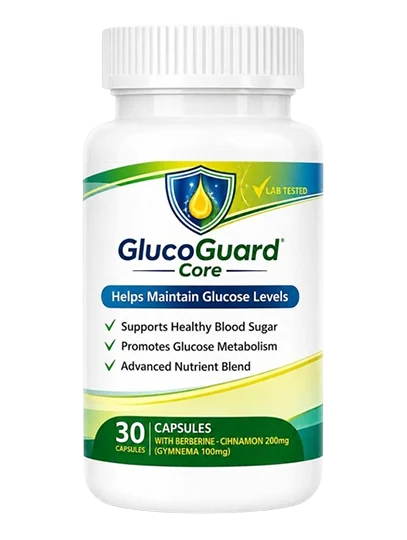
What is GlucoGuard?
If you live with diabetes in Kenya, you know the rhythm. The morning glucose reading that decides your mood for the day. The sugar dip mid-afternoon that has you reaching for a mandazi you don't need. The slow tiredness that builds across the week. The foot tingling. The thirst that doesn't go away no matter how much water you drink. GlucoGuard is not a replacement for your metformin, your insulin or your doctor's plan — it is the natural support layer that works alongside them, addressing the underlying metabolic disorder rather than just patching one symptom at a time.
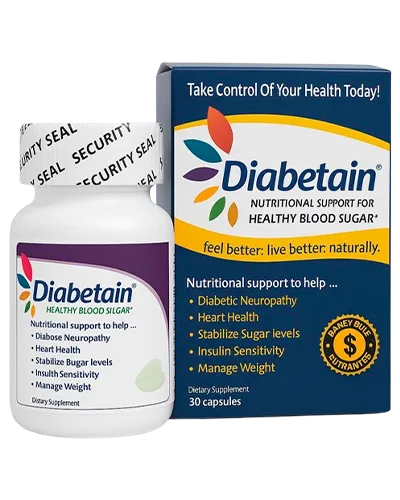
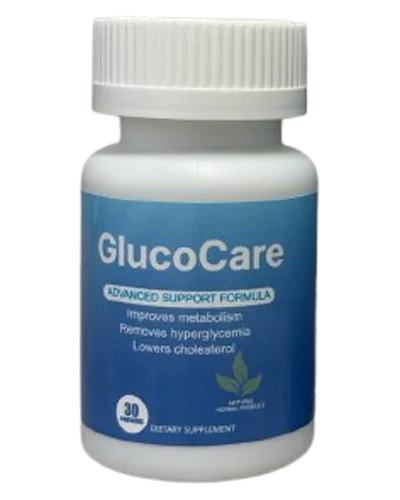
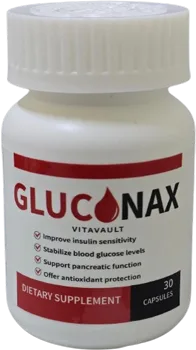
The six compounds inside are not random herbs scraped together for marketing copy. Berberine is the most-studied natural agent for glucose lowering in the published literature — in many head-to-head trials it performs comparably to first-line oral medication at clinical doses. Cinnamon bark and Gymnema sylvestre are both visibly printed on the GlucoGuard bottle for a reason: they are the two ingredients where Kenyan endocrinologists and Ayurvedic clinicians overlap in their day-to-day recommendations. Bitter melon, fenugreek and the turmeric + black-pepper Bioperine pair round out the formula with three more compounds widely used in East African and Indian traditional medicine for sugar and inflammation control. Together they give you a single 3-capsule routine instead of a counter full of six separate bottles.
Six signs your blood sugar is asking for support
Type 2 diabetes is rarely loud at the start. It builds quietly across years — and by the time the symptoms get hard to ignore, the underlying insulin resistance has usually been there for a long time. If any of these six patterns sound familiar, GlucoGuard was formulated with you in mind.
Morning fasting glucose above 7 mmol/L
Your first reading of the day is the most honest one — no food, no exercise, no exam-day stress hormones masking the truth. If your morning fasting glucose is consistently above 7 mmol/L (or your HbA1c sits above 6.5%), the pancreas is no longer keeping up overnight. Berberine and Bitter Melon work specifically on hepatic glucose output — the sugar your liver releases while you sleep.
Sugar cravings you can't reason your way out of
That 4 PM pull toward chai mandazi or a soda is not weak willpower. It is the metabolic loop of insulin resistance — your cells shout for fuel because the sugar in your blood isn't reaching them. Gymnema sylvestre has been used in Ayurvedic medicine for two millennia for exactly this — it has the unusual ability to numb the sweet taste receptors on the tongue for hours, blunting cravings at the source.
Post-meal energy crash and brain fog
A heavy lunch of ugali, beans and rice leaves you needing a nap, not because the meal was big but because your blood sugar has spiked and crashed inside ninety minutes. Fenugreek seeds are loaded with soluble fibre that slows carbohydrate absorption — flattening the curve so the spike never builds in the first place. Cinnamon bark improves how readily your muscles take that sugar out of circulation.
Frequent urination at night
Waking up to use the toilet twice, three times a night is your kidneys working overtime to dump excess glucose out of your bloodstream. This is one of the clearest early signs of Type 2 diabetes — and one of the first to settle once your fasting glucose comes down. Berberine reduces fasting glucose; the kidneys stop overflowing; sleep returns.
Tingling or numbness in feet and fingers
Diabetic peripheral neuropathy starts with a pins-and-needles feeling in the toes or fingertips that comes and goes. It is the early echo of nerve damage from years of high circulating glucose. Turmeric with Black Pepper Bioperine is the strongest natural anti-inflammatory in the GlucoGuard formula, and chronic inflammation is the engine behind neuropathic damage.
Prediabetes diagnosis from a clinic visit
If your most recent HbA1c came back between 5.7% and 6.4%, your clinician has flagged you as prediabetic. This is the window where intervention works best — most prediabetes never has to progress to full Type 2 diabetes if metabolic resistance is addressed early. GlucoGuard is the standard 10-day intensive intervention many Nairobi clinicians sit alongside diet and walking advice.
GlucoGuard vs the rest of the diabetes shelf
Most Kenyans on the Type 2 path end up rotating through three or four products — generic herbs from the duka, prescription metformin from the chemist, and online supplement experiments that turn out to be filler. Here is where GlucoGuard sits in the actual landscape.
| What matters | GlucoGuard | Metformin (prescription) | Generic cinnamon capsules | Single-ingredient berberine |
|---|---|---|---|---|
| Addresses insulin sensitivity | ✓ Berberine + Cinnamon + Fenugreek | ✓ Yes — primary mechanism | Partially | ✓ Yes |
| Slows post-meal carb absorption | ✓ Fenugreek + Bitter Melon | Indirectly | ✕ No | ✕ No |
| Curbs sweet cravings | ✓ Gymnema sylvestre | ✕ No | ✕ No | ✕ No |
| Anti-inflammatory cover | ✓ Turmeric + Bioperine | ✕ No | ✕ No | ✕ No |
| Common side effects | Minimal — mild GI in first 2 days | GI upset, B12 depletion long-term | Minimal | GI upset at full dose |
| 10-day course cost | KSh 6,750 | KSh 600–1,500 / month | KSh 800–2,000 | KSh 2,500–4,000 |
| Prescription required | No — dietary supplement | Yes | No | No |
GlucoGuard is designed to sit alongside your prescribed medication, not replace it. If you are on metformin, insulin or a GLP-1 agonist, keep your routine and let your clinician know you are running a phytotherapy course in parallel — they will tell you whether you need to monitor your glucose more closely during the first week.
Six plant compounds — one daily routine
Each capsule delivers six standardised plant extracts at the doses Kenyan endocrinologists actually look for. The two ingredients printed on the front of the bottle — Cinnamon 200 mg and Gymnema 100 mg — are the doses used most often in the diabetes literature.
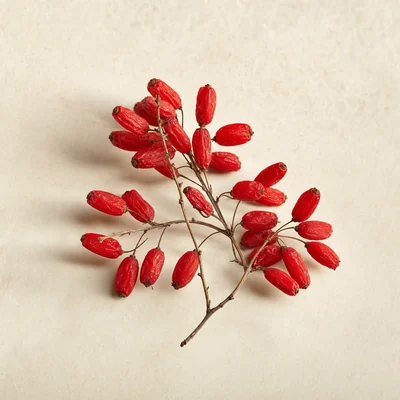
Berberine HCl
Berberis aristata / vulgaris
The single most-studied natural agent for glucose control in the entire diabetes literature. Berberine activates AMP-activated protein kinase (AMPK), the master switch your cells use to take glucose out of the bloodstream and into the muscle. Multiple head-to-head trials place it within striking distance of first-line oral medication at clinical doses — without the GI side effects that drive so many patients off treatment. The flagship compound in GlucoGuard.
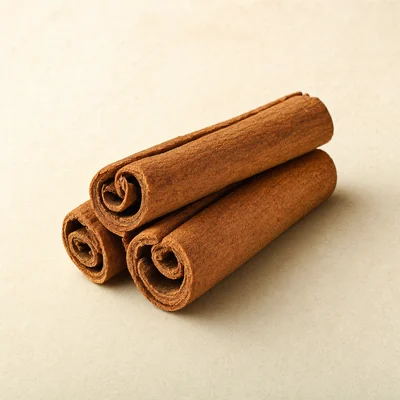
Cinnamon Bark Extract
Cinnamomum cassia, MHCP-standardised
Cinnamon bark improves insulin receptor sensitivity through methylhydroxychalcone polymer (MHCP), the active compound that mimics insulin signalling at the cell membrane. Trials in Type 2 diabetic adults show meaningful drops in fasting glucose, HbA1c and post-meal glucose spikes after 12 weeks. The 200 mg dose printed on the GlucoGuard bottle matches the most-cited clinical research.
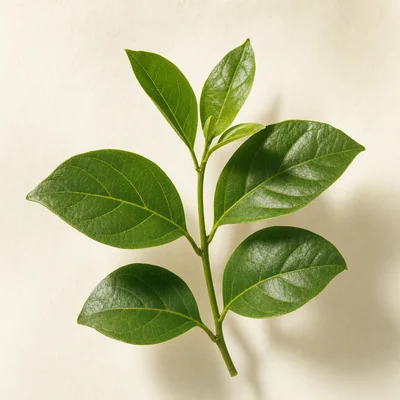
Gymnema Sylvestre
Gurmar — the "sugar destroyer"
Used in Ayurvedic diabetes care for more than two thousand years — and its Sanskrit name gurmar literally means "sugar destroyer". The gymnemic acids in the leaf temporarily block sweet taste receptors on the tongue, which silences sugar cravings. At the metabolic level, the same molecules slow glucose absorption in the small intestine and support beta-cell regeneration in the pancreas.
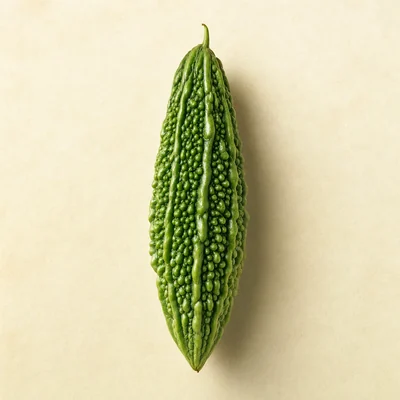
Bitter Melon Extract
Momordica charantia
Bitter melon contains three insulin-mimetic compounds — charantin, polypeptide-p and vicine — that lower blood sugar through pathways close to how endogenous insulin works. Polypeptide-p in particular has been described in the literature as a "plant insulin". Widely used across East African and South Asian traditional medicine for both Type 2 diabetes and high cholesterol.
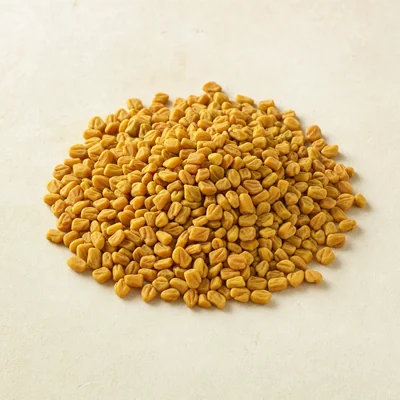
Fenugreek Seeds
Trigonella foenum-graecum
Fenugreek seeds are dense in soluble fibre (galactomannan) that slows carbohydrate absorption in the gut — flattening the post-meal glucose spike before it even reaches your bloodstream. The 4-hydroxyisoleucine amino acid in fenugreek also stimulates beta-cell insulin secretion in response to glucose. Effective particularly at the breakfast and lunch doses, when carb load tends to be heaviest.
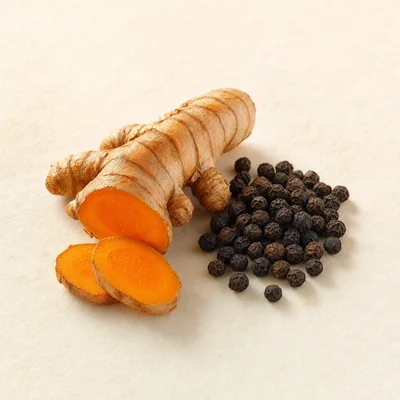
Turmeric + Black Pepper
Curcuma longa + Piper nigrum
Curcumin — the active compound in turmeric — is one of the most-studied anti-inflammatory molecules in nutrition science. Chronic low-grade inflammation is the silent driver of insulin resistance and the diabetic complications that follow. Curcumin on its own absorbs poorly; the piperine in black pepper (Bioperine®) raises its bioavailability up to twentyfold. The two work together in GlucoGuard — not separately.
All extracts are standardised to active-compound percentage, sourced from GMP-certified manufacturers, and screened for heavy-metal contamination before our pharmacy team lists them. The capsule shell is plant-based (HPMC); the formula is vegan, lactose-free and gluten-free.
Three places blood sugar goes wrong — and how GlucoGuard answers each
Pathway one — restore insulin sensitivity
Berberine and Cinnamon Bark act on the cell membrane. Berberine activates AMPK so muscle and liver cells start pulling glucose out of circulation again. Cinnamon's MHCP-standardised compounds make the insulin receptor itself more responsive. Together they answer the root metabolic dysfunction — the cells that have stopped listening start listening again. First measurable changes usually show up at days 5–7 of dosing.
Pathway two — slow the meal-time spike
Fenugreek soluble fibre and Bitter Melon's charantin / polypeptide-p both work in the upper gut, slowing how fast carbohydrates from ugali, rice and chapati move into the bloodstream. The post-prandial glucose curve flattens — no more violent spike at 11 AM, no more crash at 2 PM. This is the pathway you feel first, often inside the first three days, in the form of stable mid-morning and mid-afternoon energy.
Pathway three — protect beta-cells and quiet inflammation
Gymnema sylvestre supports the pancreatic beta-cells that produce insulin — the same cells Type 2 diabetes silently wears down over years. Turmeric with Black Pepper Bioperine knocks down the chronic low-grade inflammation that drives both insulin resistance and the long-term complications (neuropathy, retinopathy, vascular damage). This is the slowest pathway to feel and the most important one to complete a full 10-day course for.
The 10-day GlucoGuard timeline
Realistic week-by-week markers based on the published Berberine + Cinnamon + Gymnema literature, calibrated to feedback from Kenyans currently on the course. Long-term chronic diabetes management often calls for two consecutive packs.
Start the 10-day GlucoGuard course today
Same-day dispatch from Nairobi · Pay on Delivery · 30-day return policy
How to take GlucoGuard
One capsule with breakfast — 07:00 to 09:00
Take with food. The morning dose seeds the day's active-compound concentrations. Fenugreek's fibre will slow the absorption of any carbs in the breakfast meal — important if you eat mandazi, white bread or porridge with sugar.
One capsule with lunch — 12:30 to 14:00
Take with lunch — especially important if lunch is ugali, rice, chapati or githeri. Bitter melon and cinnamon will hit their peak action against the post-meal glucose curve over the next two to three hours.
One capsule with dinner — 18:30 to 20:30
The evening dose carries berberine's AMPK effect through the overnight period — the window where the liver does most of its sugar release. This is the capsule that drives the morning fasting-glucose improvement most users notice from day seven onward.
Drink 1.5–2 litres of water across the day. If you are already on metformin, insulin or sulphonylureas, monitor your glucose more closely during the first week of the course — the combined effect can be additive. Tell your clinician you are running GlucoGuard in parallel; they may suggest reducing one dose of your existing medication while the course runs.
Order GlucoGuard — pay on delivery
Fill in your name and Kenyan mobile number. Our pharmacy team rings you within thirty minutes to confirm your county and a delivery window. Pay cash to the courier when the sealed pack arrives at your door.
Order GlucoGuard
Fill in your details — we'll call within 30 min to confirm
🔒 Your data is secure and used only for order processing
GlucoGuard — your questions answered
Order GlucoGuard
Original product with manufacturer guarantee
🔥 Only 7 units left at discount price